
Vegetables
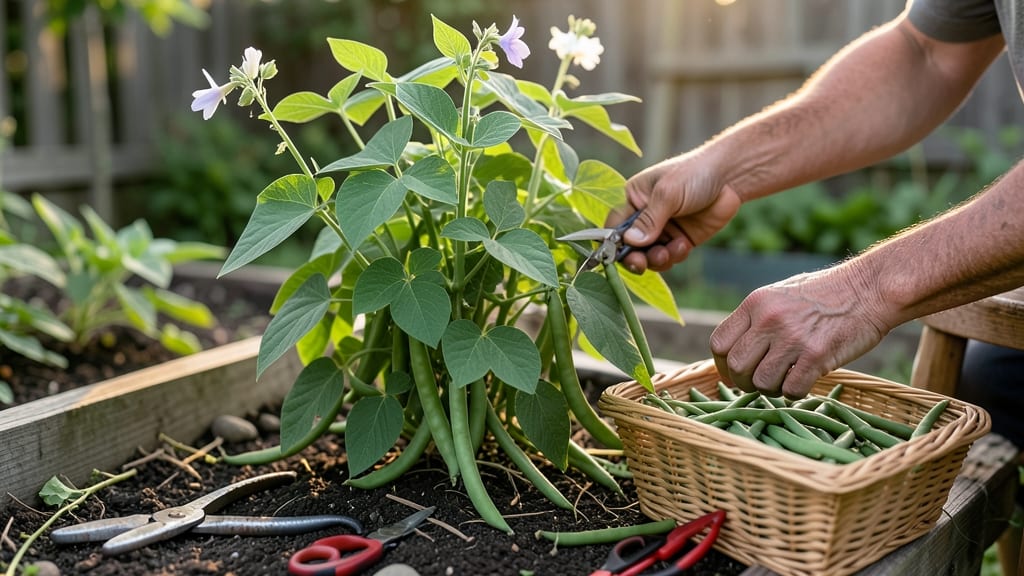
Harvesting green beans 🌱 at the right moment means the difference between a crisp, flavorful pod and a tough, stringy mess—so timing is everything for your garden's best yield.
Picture this: you've nurtured your green beans all season, and now they're ready to pick. But how do you know exactly when to harvest? Miss the window, and you're left with overgrown pods that turn woody and bitter.
Get it right, and you'll enjoy tender, sweet beans straight from the vine.
Most varieties reach peak harvest time around 50-60 days after planting, but visual cues are the real game-changer. Look for pods that are 4-6 inches long, firm but slightly plump, and snap easily when bent—these are your telltale signs of perfect ripeness.
In this guide, I'll break down the 3 key visual cues to spot perfectly ripe green beans, how often to harvest for maximum yield, and what happens if you pick too early or too late—so you never waste another pod again.


3 Visual cues to identify perfectly ripe green beans
There’s nothing worse than biting into a green bean that’s tough, stringy, or mealy—all signs you picked it too late. But harvesting too early means missing out on flavor and yield.
The key is learning these 3 visual cues to spot beans at their peak. I’ve grown green beans for years, and these tricks have saved me from wasted harvests every season.
Timing matters because green beans are best when young and tender. Once they mature, they start converting starches into sugars, making them sweeter but also tougher. The magic window?
When pods are 4-6 inches long (varies slightly by variety) and still crisp. Let’s break down the exact signs to look for in your garden.
🌱 Comparison Table: Overripe vs. Underripe Green Beans
| Cue | Perfectly Ripe | Overripe | Underripe |
|---|---|---|---|
| Pod Size | 4-6 inches (varies by variety) | 6+ inches, elongated | Under 2 inches, stunted |
| Pod Color | Bright green, uniform | Dull green/yellow, wrinkled | Pale green, thin |
| Seed Development | Tiny, barely visible | Large, hard, filling pod | Not visible, pod hollow |
| Texture | Firm but tender, snaps cleanly | Leathery, tough, woody | Soft, rubbery, flimsy |
| Harvest Tip | Pick in morning for best flavor | Remove immediately to prevent spread | Wait 1-2 days for maturity |
The first cue is pod size. For most varieties, aim for 4-6 inches. If you’re growing bush beans, they’ll rarely exceed 6 inches, while pole beans can grow longer—stop harvesting when pods hit 8 inches.
Check your seed packet for variety-specific guidelines, as some dwarf varieties mature faster.
Next, examine the pod color. Perfectly ripe beans should be a vibrant, uniform green. Overripe pods often develop yellow or brown spots and may look wrinkled.
Underripe beans might appear pale or thin. A quick trick: hold the pod up to the sky—if it matches the sky’s brightness, it’s ready!
The third and most critical cue is seed development. At the ideal harvest time, seeds inside should be tiny and barely visible through the pod’s skin. If you can see large, plump seeds, the bean is overripe.
Conversely, if the pod feels hollow when gently squeezed, it’s underripe. This is your best indicator of quality.
Pro tip: Harvest in the morning when beans are cool and crispest. Use sharp scissors or pruners to avoid damaging the plant. I like to pick every 2-3 days during peak season—this encourages the plant to produce more pods.
If you miss the window, overripe beans can still be used for soups or stews, but they lose their signature snap.
One common mistake is waiting too long because you think “bigger means better.” But green beans are at their best when young! I’ve seen gardeners leave beans on the vine until they turn yellow, only to find they’re tough and bitter.
Trust your eyes—if the pod doesn’t meet these three cues, it’s not ready yet.
For pole beans, check the top pods first since they mature earliest. With bush beans, scan the entire plant for consistent ripeness. If you’re unsure, pick a few test pods and taste them. You’ll quickly learn what “perfect” tastes like in your garden. Happy harvesting!
How often to harvest green beans for maximum yield
Harvesting green beans at the right frequency keeps your plants productive and ensures a steady supply of tender, flavorful pods. Unlike some vegetables, green beans reward consistent attention—skipping harvests can backfire, leading to overcrowded plants and reduced yields.
The key is understanding how often each variety needs picking, from bush beans that produce all at once to pole beans that climb and yield continuously.
For most varieties, I aim to harvest every 2-3 days once plants start flowering. This might sound frequent, but it’s the best way to prevent beans from becoming woody or overmature. Think of it like pruning: removing spent pods signals the plant to produce more.
Seasonal timing also plays a role—early summer harvests may need more frequent picking, while late-season beans might stretch out the interval slightly.
Key Harvesting Tips for Green Beans
- 1. Bush Beans: Harvest every 2-3 days for 3-4 weeks—they produce all at once.
- 2. Pole Beans: Pick every 1-2 days for continuous production all season.
- 3. Morning Picks: Harvest in cool morning hours for best flavor and texture.
- 4. Seasonal Adjustments: Increase frequency in peak summer heat (beans mature faster).
- 5. Stop When: Plants show yellowing leaves or brown pods—this signals the end of the harvest window.
One of the biggest mistakes I see is waiting until beans are fully grown before harvesting. By then, the pods are tough, and the plant has already shifted energy toward seed production.
Another common error is harvesting inconsistently—some days you pick, other days you don’t. This confusion stresses the plant and disrupts its natural rhythm. Stick to a routine, and your green beans will thank you with a longer, more abundant harvest.
To encourage continuous production, I also recommend pruning old pods and removing any that show signs of disease. This keeps the plant focused on healthy growth. If you notice fewer beans forming, check your watering schedule—green beans need consistent moisture, especially during hot spells.
A deep watering every 2-3 days (about 1-2 inches per week) keeps them thriving.
Regional differences can also affect harvest frequency. In hotter climates, beans mature faster, so you might need to pick daily. In cooler areas, you can stretch it to every 3-4 days.
Always adjust based on the plant’s signals: if pods are plump and curved, it’s time to harvest. If they’re hard and straight, you’ve missed the window.
Finally, don’t forget to rotate your harvests if you have a large patch. Start at one end and work your way to the other, so you’re not overwhelming the plant all at once. This method also helps you spot pests or diseases early.
With the right frequency and care, your green bean harvest can last 6-8 weeks—plenty of time to enjoy fresh, homegrown pods all season long! 🌱