
How To
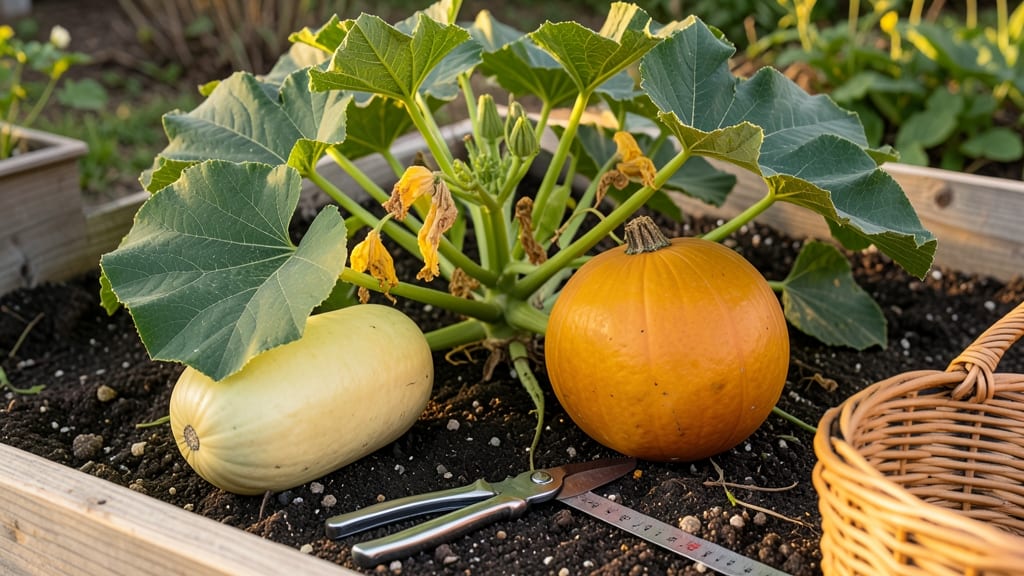
Knowing when to harvest squash 🎃 means catching it at its peak—firm, flavorful, and ready to eat or store, before it turns to mush or seeds.
Picking too early means bland, seedy squash; too late and you’re left with a rock-hard mess that’s past its prime. I’ve made both mistakes, and trust me, the texture difference is night and day.
Here’s how to spot the perfect moment: check the skin’s hardness, the stem’s dryness, and the color’s depth—each variety has its own cues, from zucchini’s glossy green to butternut’s rich orange.
You’ll also learn how temperature and days after flowering play a role, plus how to store your harvest so it lasts weeks (or months) without spoiling.
3 Visual and physical tests to determine squash harvest readiness
Harvesting squash at the perfect moment ensures maximum flavor, texture, and storage potential. But how do you know when that moment arrives? Many gardeners struggle with the balance—picking too early results in bland, seedy squash, while waiting too long leads to overripe, mushy fruit.
The key lies in understanding three visual and physical cues that signal peak ripeness. These tests work for nearly all squash varieties, from zucchini to butternut, and will transform your harvest success.
First, let’s address the most common mistake: relying solely on size. While squash should reach their variety-specific mature size, size alone isn’t enough to determine readiness.
For example, a zucchini might be 6 inches long but still underripe, while a butternut could be 8 inches and not yet at its prime. That’s why combining color, stem firmness, and skin thickness gives you the most accurate picture of harvest readiness.
- 1 Color Test: Check for a fully developed, vibrant color—deep green for zucchini, golden yellow for yellow squash, or rich orange for butternut. Immature squash often has uneven or pale coloring, while overripe squash may show dull or mottled patches.
- 2 Stem Firmness Test: Gently twist the squash at its stem attachment point. If it snaps cleanly with slight resistance, it’s ready. A stem that pulls away easily means it’s underripe, while a stem that resists but tears indicates overripeness.
- 3 Skin Thickness Test: Press your fingernail into the skin. If it doesn’t puncture easily and feels firm, the squash is ready. A skin that gives way under pressure means it’s underripe, while a skin that’s too tough or cracked signals overripeness.
Let’s dive deeper into the color test, which is often the first cue gardeners notice. For summer squash like zucchini or yellow crookneck, look for a uniform, bright color without green streaks near the blossom end.
Winter squash, such as acorn or butternut, should develop a deep, consistent hue—no pale or dull spots. Pro tip: Morning sunlight enhances color vibrancy, so check your squash in the late morning for the most accurate assessment.
The stem firmness test is where many gardeners go wrong—they assume a squash is ready just because it’s large. But a soft or mushy stem means the squash hasn’t fully matured.
On the flip side, if the stem won’t twist at all and feels woody, the squash has passed its prime. This test is especially critical for vining varieties like spaghetti squash, where the stem can harden quickly once the fruit is overripe.
Don’t overlook the skin thickness test, which is a dead giveaway for ripeness. A ripe squash should have a skin that’s thick enough to resist your fingernail but not so tough it’s leathery.
For example, a butternut squash with a skin that’s 1/4-inch thick or more is typically ready, while a zucchini should have a skin that’s firm but not waxy. This test helps you avoid the seedy, watery texture of underripe squash or the stringy, fibrous mess of overripe varieties.
Here’s a bonus tip: Pay attention to the blossom end (the end opposite the stem). When it’s ripe, the skin at this point will harden and sometimes even dry out slightly. This is nature’s way of signaling that the squash has reached its sugar peak.
If you see soft spots or mold here, it’s a sign the squash has been on the vine too long and should be harvested immediately—even if it’s not perfect.
One of the biggest mistakes I see in home gardens is harvesting based on calendar dates rather than the squash’s actual readiness. For instance, zucchini can be ready in as few as 45 days, but waiting until day 50 might mean missing the window.
Always combine all three tests—color, stem firmness, and skin thickness—to ensure you’re picking at peak ripeness. This approach works for both summer and winter squash, though winter varieties like pumpkins may need a few extra days to develop their full flavor.
Finally, remember that harvest timing affects storage life. Squash picked at the right moment stores better and lasts longer in your kitchen. For example, a properly ripened butternut squash can keep for months in a cool, dark place, while an underripe one will spoil within weeks.
By mastering these three tests, you’ll not only enjoy the best-tasting squash but also reduce waste and maximize your garden’s productivity.
Ready to put these tests into action? Grab a squash from your garden today and give it the color, stem, and skin check. You’ll be amazed at how much more flavorful and satisfying your harvest becomes when you pick at the perfect moment! 🎃
How squash varieties differ: harvest times for summer vs. winter squash
Summer squash like zucchini and yellow crookneck need quick action—harvest within 5-7 days of reaching full size, or they turn woody. Winter squash, including butternut and acorn, mature slower and can wait weeks for peak sweetness.
The key? Understanding each variety’s color cues, skin hardness, and seasonal timing.
For example, zucchini should be 6-8 inches long with a shiny, deep green skin that’s hard to pierce with a fingernail. Butternut squash, on the other hand, needs 3-4 months to ripen fully, with a rich orange hue and a dry stem—signs it’s ready for storage.
🌱 Did You Know? Summer squash are harvested before their seeds harden, while winter squash are picked after seeds mature for storage. This timing shift explains why one goes to the kitchen table and the other to the pantry.
| Variety | Harvest Time | Size Benchmark | Color Cues | Skin Test |
|---|---|---|---|---|
| Zucchini (Summer) | 50-55 days | 6-8 inches | Deep glossy green | Hard, resists fingernail |
| Butternut (Winter) | 85-100 days | 18-24 inches | Rich orange | Thick, tough skin |
| Acorn (Winter) | 90-100 days | 4-6 inches | Golden-yellow | Firm, no soft spots |
| Pumpkins (Winter) | 75-100 days | 8-12 inches | Deep orange/white | Rind hardens fully |
Seasonal timing also matters. Summer squash thrive in warm weather (70-85°F) and must be harvested before first frost, while winter squash need cool nights (50-60°F) to sweeten. For example, I’ve seen butternut squash left too long in the vine turn mealy—a sure sign of overripeness.
Pro tip: Use a sharp knife to cut squash (don’t twist) to avoid damaging the vine. For winter squash, leave a 1-inch stem to extend shelf life. And if you’re unsure? Taste test: underripe squash is bland; overripe is fibrous and seedy.
Now you’re equipped to harvest like a pro—whether it’s zucchini for tonight’s stir-fry or butternut for winter storage. Happy harvesting! 🎃