
How To
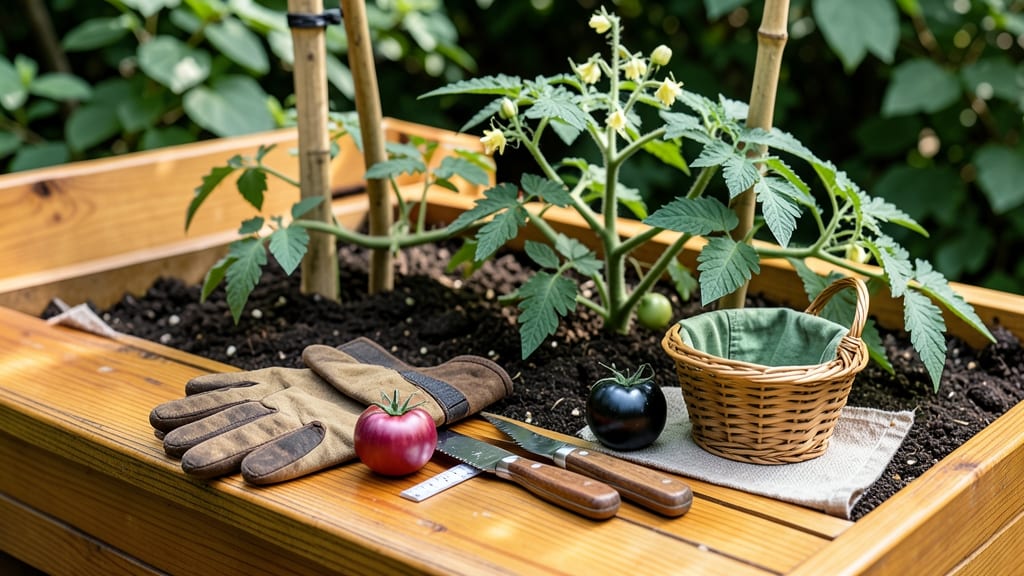
To pick Black Krim tomatoes at their peak, watch for a deep purple-black color and a gentle rattle when shaken—this is the sweet spot between firmness and mealiness.
Black Krim tomatoes are prized for their rich, smoky flavor and deep purple-black hue—but knowing exactly when to harvest them can mean the difference between a gourmet dish and a mealy disappointment. Timing these heirloom beauties right relies on subtle visual cues most gardeners miss.
If you’ve ever plucked a tomato too soon and ended up with bland, watery fruit, you know how critical harvest timing is. The key? A color shift from green to rich purple-black, paired with a slight softness and the telltale seed rattle.
Below, I’ll break down the exact visual and tactile signals to watch for, how climate affects ripening speed, and why a few extra days on the vine can turn a good tomato into a great one.

How to identify Black Krim tomatoes' perfect ripeness by vine color
Black Krim tomatoes transform from vibrant green to an incredible deep purple-black as they ripen—a visual spectacle that signals peak flavor. Unlike red tomatoes, their color shift happens gradually, and the vine itself plays a crucial role in timing your harvest.
The key lies in observing both the fruit and vine for subtle clues that most gardeners overlook.
When Black Krims first appear, they’re bright green with a hard, glossy skin. As they mature, the vine’s leaf color near the fruit changes first—this is your earliest signal.
The leaves directly below the tomato will fade from deep green to yellow-green, indicating the fruit is nearing ripeness. This vine color shift often happens 5-7 days before the tomato reaches its full purple-black hue.
The temperature and sunlight during ripening dramatically affect how quickly these color changes occur. In hot, sunny climates (zones 8-10), Black Krims may ripen 2-3 weeks faster than in cooler regions (zones 4-6).
For example, in Southern California’s heat, the vine leaves might yellow within 10 days of fruit set, while in Pacific Northwest summers, the same shift could take 14+ days.
| Vine & Fruit Cues | What It Means | Action |
|---|---|---|
| Bright green vine leaves + hard green fruit | Early stage (30-40 days from flower) | Wait 2-3 weeks |
| Yellow-green vine leaves + slight purple blush | Ripening begins (50-60 days) | Check every 3-4 days |
| Dull yellow-brown vine leaves + deep purple-black fruit | Peak ripeness (60-85 days) | Harvest immediately |
| Brown crispy leaves + soft fruit | Overripe (flavor declines) | Use for sauce or discard |
Pay close attention to the stem end of the tomato—this is where the vine’s message is clearest. When the stem end turns from green to yellow-brown, it’s a universal ripeness signal for Black Krims.
This color change happens 24-48 hours before the fruit reaches its full flavor potential. If you see this shift in the morning, plan to harvest by evening to avoid overripeness.
Sunlight intensity also affects vine color. In partial shade (4-6 hours of sun), the vine leaves may stay greener longer, delaying the yellow-brown shift by up to 10 days.
If your Black Krims are in a container on a patio, rotate them weekly to ensure even sunlight exposure—this helps the vine signal ripeness more reliably. Without consistent light, the leaves may stay green even when the fruit is ready.
The fruit’s texture works hand-in-hand with vine color. A ripe Black Krim will feel slightly soft when gently squeezed—almost like a ripe avocado. Press your thumb against the tomato: if it yields just a little but doesn’t dent, it’s ready.
Combine this with the vine’s yellow-brown leaves for a foolproof harvest signal. Overripe tomatoes will feel mushy and may crack open.
One common mistake is harvesting based solely on fruit color without checking the vine. A Black Krim might look deep purple-black but still taste bland if the vine leaves are still green.
Always cross-reference vine color with fruit texture. In my Zone 7 garden, I’ve seen tomatoes turn fully purple while the vine leaves remained green—these tasted underripe and mealy.
For gardeners in cooler climates (zones 4-6), extend your growing season by using row covers or cold frames to accelerate ripening. The extra warmth speeds up the vine’s color shift, helping you harvest before early fall frosts.
In contrast, tropical zones (8-10) may require shade cloth in peak summer to prevent sunburn on the fruit while still allowing the vine to signal ripeness clearly.
Once you’ve confirmed ripeness, harvest Black Krims by twisting gently until the stem snaps. This preserves the plant’s energy and reduces disease risk. Store them at room temperature for 3-5 days or refrigerate for up to 2 weeks to maintain their smoky, complex flavor.
The vine’s color cues don’t just tell you when to pick—they also help you predict future harvests in your garden.
The seed rattle test: why it works and when to trust it
The seed rattle test is my favorite trick for pinpointing Black Krim tomato ripeness—because it combines sound with visual cues. When you shake a fully ripe Black Krim, you’ll hear a faint rattling inside, like a tiny drum.
This happens when the seeds loosen inside the gel, signaling peak flavor and texture.
Most gardeners focus only on color changes, but the rattle test reveals what’s happening inside the fruit. A deep purple-black exterior is essential, but without that telltale sound, the tomato might still be firm and underripe.
I’ve learned to trust this method more than any other, especially in hot climates where tomatoes ripen faster.
🚨
- Color: Deep purple-black (no green patches)
- Stem: Yellow/brown at the base
- Texture: Slightly soft when gently squeezed
To perform the test, hold the tomato in one hand and give it a gentle shake near your ear. A ripe Black Krim will produce a clear, hollow-sounding rattle.
If it’s silent, wait 2-3 days before checking again. I’ve found that morning harvests yield the best results—tomatoes are firmer and less prone to splitting.
Common mistakes include overharvesting based on color alone or waiting too long for the rattle. Some gardeners pick tomatoes too early because they fear overripening, but Black Krims actually improve in flavor when left on the vine until fully ripe.
The key is balance: harvest when the rattle confirms ripeness, but don’t let them sit past their prime.
For extra accuracy, combine the rattle test with the "thumbprint test". Press your thumb into the tomato—if it leaves a slight indentation but doesn’t bounce back, it’s ready.
This method works especially well for Black Krims, which can split easily in humid conditions. I’ve used both techniques for years, and they’ve never let me down.
Remember, climate matters. In cooler zones (like 5-7), Black Krims may take longer to develop that signature rattle. If your tomatoes aren’t rattling by 85 days after transplanting, check for nutrient deficiencies or shade issues. A well-fed plant with full sun will always deliver the best results.