
Picking
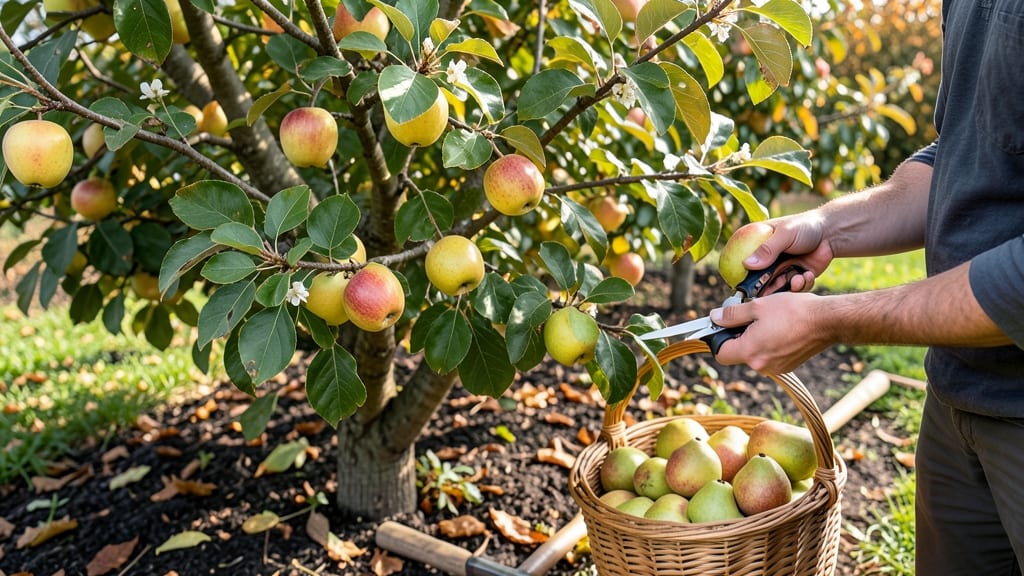
To pick pears in Texas at the perfect moment means catching them when they’re ripe enough to eat fresh but still firm enough to store.
Timing is everything when harvesting pears in Texas—pick too early, and they’ll never ripen properly; too late, and you risk losing flavor or attracting pests. Mastering the USDA zone-specific calendar ensures you get the sweetest, juiciest pears from your Texas orchard or backyard tree.
Most Texas-grown varieties like Anjou and Bartlett ripen between late August and October, but heat spikes in zones 8a-10a can speed things up. Look for skin that softens from green to yellow or blushes, and a gentle give when pressed.
Below, I’ll break down the exact ripeness cues, variety-specific harvest windows, and storage tips to keep your pears fresh long after the tree stops bearing.

Texas USDA zone ripeness calendar for pears by variety
Texas gardeners know that pear harvest timing isn't one-size-fits-all—our USDA zones 7b-9a create unique ripening windows. Anjou pears in Zone 8a won't ripen the same as Bosc pears in Zone 9a, thanks to heat spikes and early frost risks.
Understanding these zone-specific harvest windows ensures you pick pears at peak flavor, avoiding both underripe and overripe fruit.
Most Texas-grown pear varieties need 240-365 days from bloom to harvest, but heat waves can accelerate ripening while early frosts (common in North Texas) demand careful monitoring.
Below, I’ve mapped out the ideal harvest windows for your most popular pear varieties, adjusted for Texas’ climate extremes—so you can plan accordingly.
| Variety | USDA Zones | Harvest Window | Ripeness Cues | Texas-Specific Notes |
|---|---|---|---|---|
| Anjou | 7b-8a | Late September to mid-October | Yellow-green skin, slight give when pressed | Watch for early frosts in North Texas; harvest before temps drop below 40°F |
| Bartlett | 8a-9a | Mid-August to early September | Red blush, stem slips easily | Heat spikes in Zone 9a may ripen earlier; monitor closely |
| Bosc | 7b-9a | Late October to November | Dark green skin, firm but yielding | Longer growing season; protect from late-season hail in Central Texas |
| Seckel | 8a-9a | Early September to October | Yellow skin, sweet aroma | Dwarf variety; ideal for container growing in urban Texas yards |
| Moonglow | 8b-9a | Mid-September to October | Yellow-green, softens slightly | Thin skin; harvest before Texas humidity causes rot |
For Zone 7b gardeners in North Texas, early frosts can arrive as soon as November 15, so prioritize harvesting Bosc and Anjou varieties by mid-October. In Zone 9a, where heat spikes often exceed 100°F, Bartlett pears may ripen as early as mid-August—don’t wait for color changes alone!
Texas’ humidity levels (especially in East Texas) can accelerate rot in overripe pears, so harvest promptly once you spot stem separation or skin color shifts.
Store unripe pears in a cool, dark place (like a garage or root cellar) to finish ripening indoors—just don’t refrigerate them until fully ripe, or they’ll never soften properly.
Pro tip: Mark your calendar for two weeks before the earliest expected harvest date to start weekly ripeness checks. Use the finger press test: if the pear yields slightly (like a ripe avocado), it’s ready. If it’s rock-hard, wait another week—Texas heat won’t play nice with patience!
If you’re growing dwarf varieties like Seckel pears, container-grown trees in Zone 8a-9a may ripen 1-2 weeks earlier than their in-ground counterparts due to warmer microclimates.
Always adjust your harvest window based on tree maturity and local weather forecasts—Texas’ unpredictable spring rains can delay ripening, while drought stress might speed it up.
For commercial growers or those with multiple pear trees, consider spreading out varieties to extend your harvest season. Planting early-season Bartletts alongside late-season Boscs ensures you’re never without fresh pears—just be mindful of cross-pollination needs if you’re growing just one variety.
Finally, don’t ignore pest pressure during harvest season. Pear psylla and codling moths thrive in Texas’ warm climate, so inspect fruit for holes or webbing before picking. Cull damaged pears immediately to prevent spread—your future harvest depends on it!
With this zone-specific calendar, you’ll never miss the perfect pear harvest again. Whether you’re growing Anjou in the Hill Country or Bartletts in the Rio Grande Valley, timing is your secret weapon for juicy, flavorful fruit every season. Happy harvesting! 🍐
How to test pear ripeness: 3 key methods Texas growers use
Texas’ humid climate can trick even experienced gardeners into picking pears too early or too late. Unlike apples, pears never fully ripen off the tree, so timing is critical.
While calendar dates give a general window, Texas growers rely on three key ripeness tests to ensure perfect harvests—especially in zones 8a-10a where heat spikes accelerate ripening.
First, understand that skin color changes are the most visible cue, but Texas’ high humidity can delay these shifts. A pear ready for harvest will show yellowing or blushing (red or pink tones), but don’t wait for full color—overripe pears in Texas heat can become mealy or attract fruit flies.
Here’s how Texas growers test ripeness with precision:
Grasp the pear’s stem between your thumb and forefinger. A ripe pear’s stem should separate cleanly with a gentle twist—no force needed. In Texas’ humidity, stems may stay attached longer, so combine this with other tests.
Press your fingernail into the pear’s skin. It should yield slightly (like a ripe avocado) but not dent. Overly firm pears need more time on the tree, while mushy spots mean you’ve waited too long—common in zone 9a’s heat.
Look for yellowing or pink/red blushing on sun-exposed sides. In Texas, Bartlett pears may blush earlier (late August), while Anjou varieties often hold green longer (early October). Use a color chart if your variety’s ripeness cues are unclear.
Texas’ humidity can make pears appear riper than they are—always cross-reference these tests. For example, a Bartlett pear might pass the stem test in zone 10a by late August, but if the skin is still mostly green, wait 3–5 days.
Overripe pears in Texas’ heat spoil faster and attract pear psylla pests.
Pro tip: Harvest on a cool morning after dew has dried to preserve fruit quality. Store unripe pears in a paper bag at room temperature—the ethylene gas will help them ripen uniformly, even in Texas’ warm climate.
Remember, variety matters. Anjou pears stay green longer and need the stem test as the primary cue, while Bartletts ripen faster and may show color changes first. Adjust your timing based on your tree’s specific variety and your local microclimate.